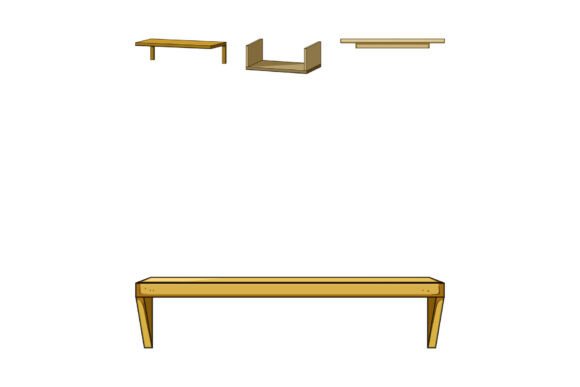
Wooden Floating Wall Shelves for Interio: A Practical Guide to Design and Organization
Integrating Wooden Floating Wall Shelves for Interio into a home or workspace is more than a simple decor choice; it is a strategic decision that impacts spatial efficiency, workflow clarity, and aesthetic consistency. For professionals, creators, and homeowners alike, the transition from floor-standing furniture to wall-mounted storage represents a shift in how we organize our environments. These shelves offer a clean, uncluttered look that maximizes vertical space while maintaining a sense of openness. Understanding how to plan, select, and implement these units ensures they serve as functional assets rather than just decorative elements.
The Strategic Role of Wall-Mounted Storage
In any interior design process, the initial phase involves assessing available space and identifying bottlenecks. Wooden Floating Wall Shelves for Interio fit into this planning stage as a solution for areas where traditional furniture feels too bulky or obstructive. Unlike bookcases or cabinets that occupy floor square footage, floating shelves utilize the often-neglected vertical plane. This makes them particularly valuable for small apartments, home offices, or creative studios where every inch of floor space counts toward movement and activity.
When evaluating a room's layout, consider the "before" state. Is the desk area cluttered with reference materials? Are kitchen counters overwhelmed by daily essentials? Or does a living room lack a focal point for displaying collected art? The implementation of wooden shelving addresses these specific pain points. By moving items off surfaces and onto the wall, you create a clearer visual field, which can significantly reduce cognitive load and improve focus during work tasks. This shift supports a workflow where tools and resources are visible yet organized, striking a balance between accessibility and order.
Pre-Installation Planning and Preparation
Successful integration begins long before drilling into the drywall. The preparation phase is critical for ensuring the longevity and safety of the installation. First, identify the wall type. Load-bearing studs provide the necessary support for heavier loads, while masonry walls require specific anchors. Ignoring this step can lead to sagging shelves or, worse, structural failure under weight.
Next, define the purpose of each shelf unit. Are they intended for heavy books, light decorative objects, or frequent-use items like coffee mugs or stationery? This distinction dictates the required wood thickness, bracket strength, and spacing between mounting points. For example, a shelf designed to hold a row of hardcover encyclopedias requires a different structural approach than one meant for lightweight succulents. Aligning the physical specifications with the intended use case prevents future frustration and ensures the system remains efficient over time.
Furthermore, consider the lighting conditions in the room. Wooden surfaces reflect light differently depending on their finish and grain orientation. Positioning shelves near natural light sources or task lamps can enhance visibility and highlight the texture of the wood, adding depth to the space. This interplay between light and material is a key factor in achieving a professional, curated look that aligns with broader interior design goals.
Design Styles and Aesthetic Integration
One of the primary advantages of Wooden Floating Wall Shelves for Interio is their versatility across various design styles. Whether the goal is a minimalist Scandinavian look, a rustic farmhouse vibe, or an industrial modern aesthetic, the right wood species and finish can bridge the gap between existing decor and new additions.
- Minimalist and Modern: Opt for light woods like ash or birch with a matte finish. These tones blend seamlessly with white backgrounds and neutral palettes, creating an airy feel that emphasizes negative space.
- Rustic and Organic: Choose reclaimed oak or walnut with visible grain and knots. These textures add warmth and character, grounding the space and providing a tactile contrast to sleeker furnishings.
- Industrial and Urban: Darker stains combined with exposed metal brackets (if not fully hidden) can introduce an edgy, utilitarian element suitable for lofts and creative studios.
The visual impact of these shelves extends beyond the wood itself. The arrangement of items on the shelf acts as a dynamic display. In a professional setting, this might mean organizing project files, awards, or inspiration boards. In a home environment, it could involve curating plants, ceramics, or travel souvenirs. The key is consistency. Mixing styles haphazardly can disrupt the visual flow, whereas a cohesive theme reinforces the overall design narrative.
Workflow Optimization Through Vertical Storage
For entrepreneurs and freelancers, the organization of physical assets directly correlates to mental clarity. Implementing Wooden Floating Wall Shelves for Interio allows for a tiered storage system that mirrors digital folder structures. Frequently accessed items can be placed at eye level, while archival materials or less-used decor move to higher or lower tiers. This ergonomic arrangement reduces the need to reach or bend excessively, streamlining daily routines.
Consider the "after" scenario of a renovation or reorganization project. Once the shelves are installed, the immediate benefit is the liberation of surface area. Desks become dedicated work zones rather than catch-all trays. Kitchen counters transform into prep stations. This separation of function and storage is essential for maintaining productivity. It creates a disciplined environment where every object has a designated place, reducing the time spent searching for tools or documents.
Moreover, these shelves interact well with other organizational methods. They can complement pegboards, magnetic strips, and drawer organizers to create a comprehensive storage ecosystem. For instance, a kitchen setup might feature floating shelves for spices and cookbooks, paired with a hanging rack for utensils. This layered approach maximizes utility without sacrificing aesthetics.
Implementation Tips for Long-Term Usability
To ensure that your investment in wooden shelving yields lasting results, attention to detail during installation and maintenance is paramount. Start by using a laser level to guarantee perfect horizontal alignment. Even a slight tilt can make the entire assembly look unprofessional and may cause items to slide off over time.
Weight distribution is another critical factor. Avoid placing all heavy items on one end of the shelf. Distribute the load evenly across the span to prevent warping or stress on the mounting hardware. If the shelf is intended for very heavy loads, consider using hidden French cleats instead of standard brackets for superior support.
Maintenance is often overlooked but is essential for preserving the quality of the wood. Dust accumulation can dull the finish and attract moisture, potentially leading to warping or staining. Regular dusting with a microfiber cloth and occasional application of wood polish will keep the shelves looking fresh. Additionally, monitor the stability of the mounts periodically, especially in high-traffic areas or homes with temperature fluctuations that can affect wall integrity.
Adapting to Changing Needs
One of the most significant benefits of floating shelves is their adaptability. As needs evolve—whether due to a change in profession, family growth, or shifting interests—the contents of the shelves can be easily swapped out. Unlike built-in cabinetry, which is fixed and permanent, floating shelves offer flexibility. You can remove them entirely if you decide to repaint the wall or rearrange the room layout, leaving minimal traces behind.
This modularity makes them an excellent choice for transitional spaces. For students moving between dorms, young professionals establishing their first office, or hobbyists expanding their collections, these shelves provide a scalable solution. They grow with you, accommodating new acquisitions and discarding old ones without requiring a major renovation.
In conclusion, Wooden Floating Wall Shelves for Interio represent a convergence of form and function. They are not merely static fixtures but active components of a well-planned interior strategy. By approaching their selection and installation with a focus on workflow, aesthetics, and structural integrity, users can transform their spaces into more efficient, organized, and inspiring environments. The result is a home or office that not only looks better but works better, supporting the diverse activities of modern life.