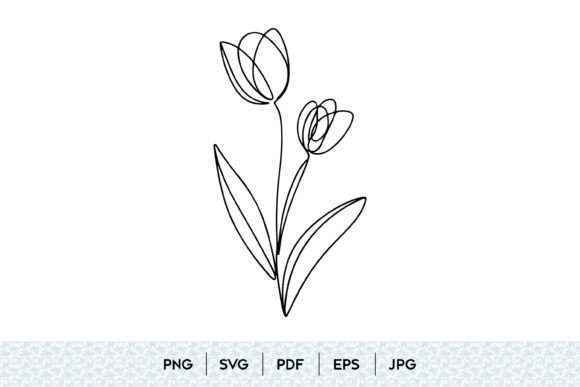
Tulip Flower Line Art: Modern Design Assets
In a digital landscape often cluttered with heavy imagery, the elegance of Tulip Flower Line Art offers a breath of fresh air, instantly capturing attention through simplicity and sophistication. This minimalist aesthetic has become a cornerstone for modern graphic design, allowing creators to communicate complex emotions and brand values with just a few deliberate strokes. Whether you are crafting a logo, designing packaging, or curating social media content, the versatility of these floral illustrations provides a premium foundation for your visual identity.
The Power of Minimalist Floral Illustration
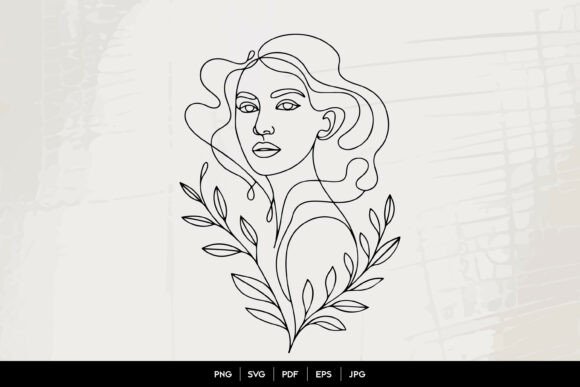
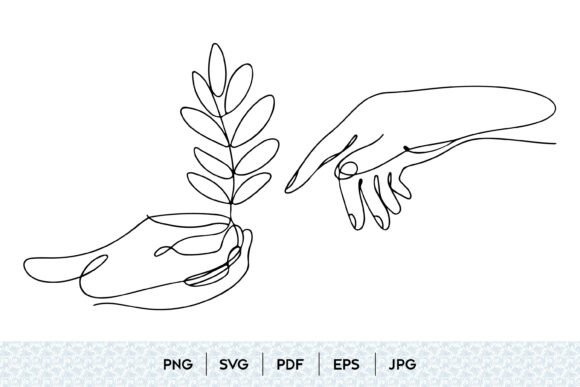
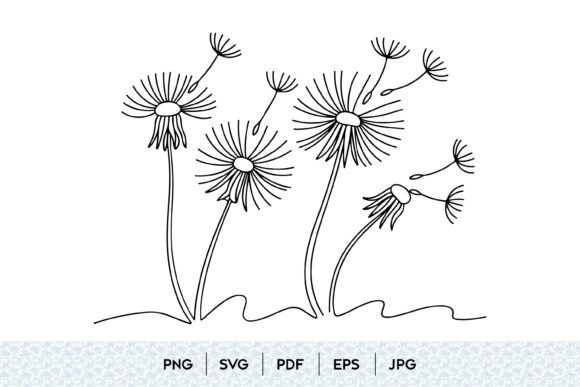
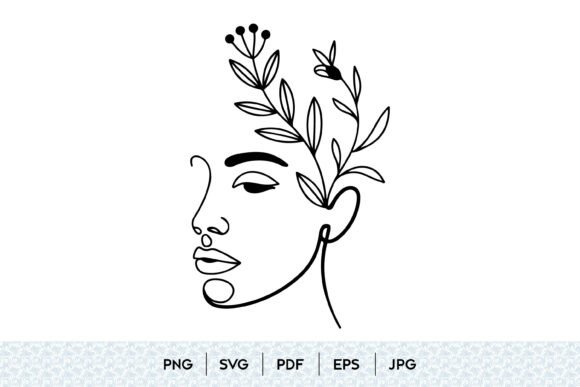
Tulip line art represents more than just a drawing style; it is a strategic tool for visual communication. By stripping away color and texture to focus on contour and form, designers can create botanical sketches that remain legible across various mediums. This approach aligns perfectly with current design trends that favor clean lines, negative space, and modern aesthetics. When integrated into a brand identity, these one-line drawings convey a sense of refinement and clarity, helping businesses stand out in crowded markets without overwhelming the viewer.
The adaptability of this style makes it ideal for visual hierarchy. A single, continuous line drawing can serve as a focal point or a subtle background element, depending on its weight and placement. Unlike photorealistic images that may date quickly, abstract flower outlines possess a timeless quality. They work seamlessly with bold typography and vibrant color palettes, ensuring that your creative assets remain relevant as design styles evolve.
Practical Applications Across Industries
The utility of high-quality tulip vector files extends far beyond simple decoration. Here is how professionals leverage these assets to enhance their projects:
- Branding and Logo Design: Use an elegant tulip outline to create memorable logos that scale effortlessly from business cards to billboards. The simplicity ensures recognizability at any size.
- Packaging Design: Incorporate floral clipart into product packaging to evoke natural, organic qualities. Black line art on textured paper creates a luxurious, eco-friendly feel.
- Web and UI Design: Integrate digital flower art into website headers or app interfaces to soften the user experience. These elements guide the eye and break up dense text blocks effectively.
- Social Media Graphics: Create engaging posts using printable artwork templates. The high contrast of monochrome illustration performs exceptionally well on mobile screens.
- Editorial Layouts: Enhance magazine spreads and blog articles with botanical illustration accents that complement typography without competing for attention.
Selecting the Right Creative Assets
When sourcing Tulip Flower Line Art, the technical quality of the file is paramount. To ensure maximum flexibility in your design workflow, look for resources that provide multiple formats, including SVG, PNG, EPS, JPG, and PDF. Vector formats like SVG and EPS are essential for logo design and large-format printing because they allow for infinite scaling without pixelation. Raster formats like PNG and JPG are suitable for web use but should always be high-resolution to maintain crisp edges.
Consider the complexity of the line work. While continuous line art is trendy, overly intricate details can get lost when scaled down. For UI design or small icons, opt for simpler flower silhouettes with thicker strokes. Conversely, detailed hand drawn flower sketches work beautifully in editorial contexts where the audience will view the image up close. Always evaluate how the asset interacts with your existing typography and brand guidelines to maintain a cohesive professional presentation.
Enhancing Visual Impact with Composition
To truly elevate your project, think about how the floral vector interacts with other elements. Pairing a delicate tulip sketch with a strong, sans-serif font can create a striking contrast between organic and geometric forms. Experiment with spacing and alignment to establish a clear visual hierarchy. If using the art in a marketing campaign, consider adding a splash of color to specific parts of the line drawing to draw attention to key messages or calls to action.
Ultimately, the choice to use Tulip Flower Line Art is a commitment to clarity and elegance. By selecting high-quality, versatile assets and applying them thoughtfully within your creative projects, you can craft designs that not only look beautiful but also communicate your message with precision. In the world of graphic design, the most effective visuals are often those that say the most with the least, proving that a simple line can indeed speak volumes.