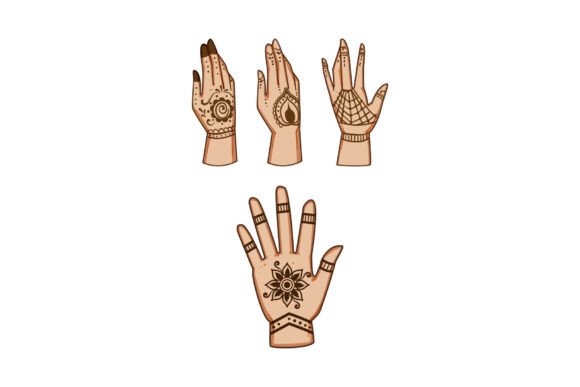
The Art of Hands Displaying Traditional Henna Mehndi: A Cultural and Creative Deep Dive
In the vibrant tapestry of global cultural expression, few visual elements are as instantly recognizable or deeply symbolic as hands displaying traditional henna mehndi. This ancient practice transcends mere decoration; it serves as a living archive of history, a marker of social status, and a profound celebration of life's most significant milestones. From the bustling wedding halls of Rajasthan to the quiet, intimate gatherings in North African homes, the application of this plant-based dye creates intricate patterns that tell stories of love, protection, and joy. For professionals in the beauty industry, researchers studying cultural anthropology, and hobbyists seeking to master a new craft, understanding the nuances of this art form offers a window into a world where aesthetics meet deep-rooted tradition.
The Botanical Roots and Historical Evolution
At its core, the substance known as henna is derived from the Lawsonia inermis plant, a flowering shrub native to tropical and subtropical regions of Africa, the Middle East, and South Asia. The active coloring agent, lawsone, binds to the keratin in the skin, hair, and nails, creating a stain that ranges from orange to a deep reddish-brown depending on the quality of the paste and the duration of application. When we observe hands displaying traditional henna mehndi, we are witnessing the culmination of a process that has remained remarkably consistent for thousands of years, despite the evolution of styles and motifs.
Historically, the use of henna dates back to prehistoric times, with evidence found in Egyptian tombs suggesting its use for cooling the body and beautifying the deceased. Over centuries, the practice migrated along trade routes, adapting to local customs. In India, it became synonymous with weddings, while in the Middle East, it evolved into a complex language of symbols used during festivals like Eid and Ramadan. This historical continuity is vital for creators and educators to understand, as it grounds modern applications in a rich lineage of heritage. The transition from simple geometric shapes to the elaborate floral and paisley designs seen today reflects not only artistic innovation but also the cross-pollination of cultures across continents.
Understanding the Symbolism Behind the Patterns
Every curve, dot, and line in a design holds meaning. When hands display intricate mehndi art patterns, they often communicate specific messages to the community. For instance, the peacock motif is frequently associated with grace and royalty, while the lotus flower symbolizes purity and spiritual awakening. In many traditions, the darkness of the stain is believed to correlate with the depth of love between partners, particularly in bridal contexts. This symbolic layer adds a dimension of emotional weight to the physical act of application.
For business owners and event planners, recognizing these symbols is crucial for providing authentic services. A client requesting a design for a wedding may have specific expectations regarding the inclusion of certain motifs that signify prosperity or fertility. Ignoring these nuances can lead to a disconnect between the artist and the consumer. Therefore, the study of symbolism is not just an academic exercise but a practical necessity for anyone involved in the professional execution of this art form.
Technical Mastery: The Workflow of Application
The creation of high-quality mehndi designs requires a blend of artistic vision and technical precision. The workflow begins long before the paste touches the skin. It starts with the preparation of the henna cone, which involves mixing dried henna powder with essential oils, lemon juice, and sugar to achieve the perfect consistency. The mixture must then be allowed to release its dye, a process that can take anywhere from several hours to overnight. This waiting period is critical; rushing it results in a weak stain that fails to capture the vibrancy expected by clients.
Once the paste is ready, the artist employs various techniques to transfer the design onto the skin. Freehand drawing is the most common method, requiring steady hands and a deep familiarity with fluid dynamics as the paste flows from the cone. Some artists utilize stencils for beginners or for large-scale events where speed is essential, though purists argue that freehand application allows for greater customization and organic flow. The skill lies in maintaining consistent pressure and line width, ensuring that the negative space—the areas left untouched—complements the filled areas to create a balanced composition.
Factors Influencing Stain Quality and Longevity
Achieving a dark, long-lasting stain is a primary concern for both the artist and the recipient. Several factors influence the final result, including the pH level of the henna paste, the temperature of the environment, and the aftercare routine. Essential oils such as eucalyptus, lavender, and tea tree oil are often added to the mixture because their chemical properties help release more lawsone molecules, resulting in a darker color. Additionally, keeping the area warm after application helps the dye penetrate deeper into the skin layers.
Aftercare is equally important. Once the dried paste is removed, the stain will initially appear light orange. It takes 24 to 48 hours for the color to oxidize and darken to its true shade. During this time, the recipient must avoid water and harsh soaps on the treated area. Educating consumers about this process is a key responsibility for professionals. Misunderstandings about the timing of the color development can lead to dissatisfaction, even when the application was flawless. Clear communication sets realistic expectations and enhances the overall experience.
Modern Applications and Contemporary Trends
While the roots of henna are deeply traditional, its application in the modern world has expanded significantly. Today, hands displaying traditional henna mehndi are not limited to weddings and religious festivals. They have become a staple at music festivals, fashion shows, and corporate branding events. The versatility of the medium allows it to bridge the gap between ancient ritual and contemporary style. Designers are increasingly experimenting with fusion styles, blending traditional Indian motifs with Western calligraphy or minimalist geometric lines to appeal to a global audience.
In the realm of fashion and media, henna has gained traction as a temporary alternative to tattoos. For individuals who wish to express themselves without permanent commitment, mehndi offers a safe, natural option. This trend has been particularly popular among younger demographics who value sustainability and non-toxic products. As a result, the market for high-quality, organic henna cones and kits has grown, creating new opportunities for entrepreneurs and small business owners to enter the industry.
Henna in Professional and Corporate Settings
Beyond personal adornment, henna art is finding its place in professional environments. Event coordinators often hire skilled artists to provide live henna stations at galas, product launches, and networking events. These interactive experiences serve as icebreakers and memorable engagement tools. The visual impact of seeing guests' hands transformed with intricate designs creates a unique photo opportunity that brands leverage for social media marketing. Furthermore, the tactile nature of the application fosters a sense of connection and community among attendees, making it a valuable asset for team-building activities and customer appreciation events.
Ethical Considerations and Industry Standards
As the popularity of henna grows, so does the need for ethical awareness and safety standards. One of the most pressing issues in the industry is the prevalence of "black henna," which contains para-phenylenediamine (PPD), a chemical additive used to speed up the staining process and produce a jet-black color. Unlike natural henna, PPD can cause severe allergic reactions, including blistering, scarring, and long-term sensitivity to hair dyes. Professionals and consumers alike must be vigilant in distinguishing between natural henna, which produces a reddish-brown stain, and synthetic alternatives.
Educational initiatives are essential to combat the spread of unsafe practices. Workshops, online courses, and certification programs play a pivotal role in training new artists to prioritize safety and authenticity. By adhering to strict quality control measures, the industry can maintain its reputation and ensure that the tradition remains a source of joy rather than harm. For researchers and regulators, monitoring the supply chain and enforcing labeling laws are critical steps in protecting public health.
Sustainability and Sourcing Practices
Beyond safety, the environmental impact of henna production is an emerging topic of interest. Sustainable sourcing ensures that the harvesting of Lawsonia inermis does not deplete local ecosystems or exploit labor. Ethical businesses prioritize fair trade partnerships with farmers in countries like Morocco, Yemen, and India, ensuring that workers receive fair wages and work in safe conditions. Consumers are increasingly conscious of these factors, preferring brands that demonstrate transparency in their supply chains. This shift towards sustainability aligns with broader global trends and reinforces the value of henna as a responsible choice for decorative body art.
The Future of Decorative Body Art
Looking ahead, the trajectory of henna art suggests continued growth and innovation. Technology is beginning to intersect with tradition, with digital tools allowing artists to design complex patterns on tablets before transferring them to the skin. While the hand-drawn element remains irreplaceable, these advancements offer new possibilities for precision and creativity. Additionally, the integration of henna into wellness and self-care routines highlights its therapeutic potential, offering a meditative practice for both the artist and the recipient.
As society becomes more interconnected, the exchange of cultural practices will likely accelerate, leading to further hybridization of styles. However, the core essence of the art form—its ability to connect people through shared beauty and meaning—will remain unchanged. Whether viewed through the lens of history, commerce, or personal expression, hands displaying traditional henna mehndi continue to captivate and inspire. They stand as a testament to the enduring power of human creativity and the universal desire to celebrate life's moments with grace and elegance.
For those looking to engage with this art form, whether as a learner, a practitioner, or a patron, the journey is one of discovery. It invites a deeper appreciation for the details that make our world colorful and meaningful. By embracing the complexity and richness of this tradition, we contribute to its preservation and evolution, ensuring that future generations can continue to marvel at the beauty of hands adorned with intricate, timeless patterns.