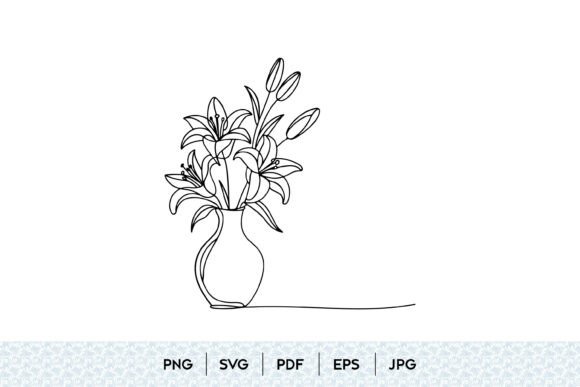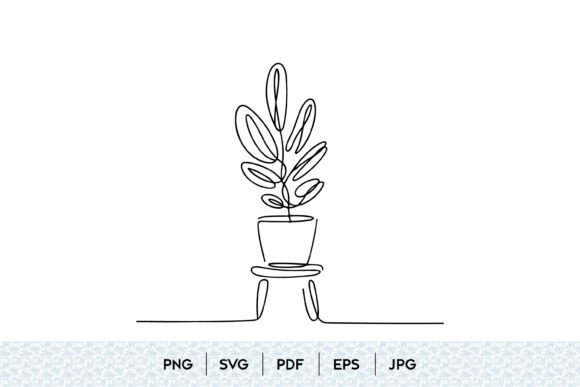
Minimal Potted Plant Line Art SVG
In a design landscape often cluttered with excessive detail, the power of simplicity stands out. The Minimal Potted Plant Line Art SVG represents more than just a digital asset; it is a versatile tool for modern creators who value clarity and elegance. Whether you are designing a logo, planning a home decor project, or creating marketing materials, this style of botanical illustration offers a clean, timeless aesthetic that adapts effortlessly to various contexts. By stripping away unnecessary shading and texture, these line drawings focus on the essential form of the plant, allowing the subject to breathe while maintaining visual impact.
The Appeal of Botanical Simplicity
Why has the trend shifted toward minimalist botanical art? The answer lies in its adaptability and psychological effect. In interior design and branding, less is often more. A simple outline of a potted plant suggests nature without overwhelming the space it occupies. This approach aligns perfectly with Scandinavian and boho-chic design philosophies, where natural elements are integrated subtly to create calm, inviting environments.
The specific appeal of the Minimal Potted Plant Line Art SVG format comes from its technical flexibility. Unlike raster images such as JPGs or PNGs, which can lose quality when resized, Scalable Vector Graphics (SVG) maintain crisp edges at any size. This makes them ideal for everything from tiny social media icons to massive wall murals. The continuous line style, often found in these collections, adds a sense of fluidity and movement, transforming a static image into something that feels organic and hand-drawn.
Technical Versatility for Professional Use
For professionals working across different mediums, the file formats included in a comprehensive pack—PNG, JPG, EPS, SVG, and PDF—are crucial. Each format serves a distinct purpose in the creative workflow:
- SVG files are the backbone of web design and print projects requiring scalability. They ensure that your plant illustrations remain sharp on high-resolution screens and large-format prints.
- EPS files offer compatibility with professional vector editing software like Adobe Illustrator, allowing designers to modify colors, stroke widths, or even separate the plant from the pot for custom compositions.
- PNG and JPG files provide immediate usability for presentations, social media posts, or quick mockups where vector editing isn't necessary.
- PDF files serve as a reliable option for sending print-ready documents to clients or printers without worrying about font or vector compatibility issues.
This multi-format availability ensures that whether you are a freelancer submitting a proposal or a small business owner printing packaging, you have the right tool for the job.
Creative Applications Across Industries
The utility of minimal plant line art extends far beyond simple decoration. It serves as a foundational element for branding, product design, and educational materials. Here is how different sectors can leverage these assets effectively.
Branding and Identity Design
For startups and established businesses alike, incorporating a potted plant outline into a logo can convey growth, sustainability, and freshness. A one-line drawing of a houseplant works exceptionally well for eco-friendly brands, wellness centers, and organic food companies. The simplicity of the line art ensures the logo remains legible even when scaled down to a favicon or embossed on stationery. When designing a brand identity, consider using the plant silhouette as a recurring motif across your website headers, email signatures, and packaging labels to build a cohesive visual language.
Home Decor and Interior Styling
Interior designers and DIY enthusiasts can transform living spaces using printable plant art. Because these designs are available in high-resolution formats like 300 ppi PNGs, they print beautifully on canvas, paper, or fabric. Imagine a gallery wall featuring a series of black and white plant art pieces, each depicting a different indoor greenery variety in a consistent line style. This creates a curated, gallery-like feel that complements both modern and rustic interiors. Additionally, these SVGs are perfect for laser cutting wooden signs or creating vinyl decals for glass windows, adding a touch of nature to office cubicles or retail storefronts.
Crafting and Maker Projects
Hobbyists and crafters utilizing Cricut or Silhouette machines will find these files indispensable. The clean lines of a continuous line plant translate perfectly into cut files for t-shirts, tote bags, and mugs. Unlike complex illustrations that may require weeding out tiny details, the minimalist approach reduces production time and material waste. You can layer these designs with different colored heat-transfer vinyl to create depth or use them as stencils for painting textured backgrounds on pottery.
Adapting Designs for Specific Audiences
To maximize the impact of your design, it is essential to tailor the application to your target audience. A modern plant decor piece intended for a corporate office might benefit from a monochromatic palette and strict geometric alignment. Conversely, a design for a children's book or an educational poster could utilize the same line art but incorporate brighter, playful colors and whimsical arrangements.
When targeting the "plant lover" demographic, authenticity is key. These audiences appreciate accuracy in the depiction of species. Ensure that the botanical illustration you choose reflects the specific characteristics of popular houseplants like Monstera, Snake Plants, or Fiddle Leaf Figs. Using accurate silhouettes builds trust and resonance with an audience that knows their flora.
Maintaining Consistency and Clarity
While versatility is a strength, consistency is what creates a professional look. When integrating multiple plant illustrations into a single project, ensure that the line weight and style remain uniform. Mixing a thick, bold outline with a delicate, hairline drawing can create visual dissonance. If you are editing the files yourself, adjust the stroke settings globally before applying color or effects.
Furthermore, consider the negative space around the artwork. Minimalist designs rely heavily on the balance between the drawn element and the empty space surrounding it. Do not crowd the composition. Allow the plant to stand alone or pair it with ample whitespace to let the viewer's eye rest. This approach enhances readability and ensures the message remains clear, whether viewed on a mobile screen or a billboard.
Practical Tips for Implementation
Getting started with these assets requires a strategic approach. Begin by defining the primary goal of your project. Are you looking to evoke a feeling of tranquility, signal eco-consciousness, or simply add a decorative touch? Once the intent is clear, select the appropriate file format and scale.
If you are using the Minimal Potted Plant Line Art SVG for commercial purposes, always verify the licensing terms associated with the download. Most high-quality packs include commercial use rights, but understanding the scope—whether it covers merchandise, digital products, or unlimited print runs—is vital for legal compliance.
Finally, do not be afraid to experiment. While the base files are designed for minimalism, they can be layered, combined, or altered to create unique compositions. Try overlapping different plant outlines to create a dense jungle effect, or isolate the pot to use as a standalone graphic element. The beauty of vector art lies in its infinite potential for modification, empowering you to create something truly original from a simple starting point.
By embracing the elegance of line art and the technical precision of SVG files, you can elevate your creative projects with a touch of nature that is both stylish and functional. Whether you are branding a new venture or decorating your home, these botanical elements provide a sophisticated solution that resonates with contemporary tastes.