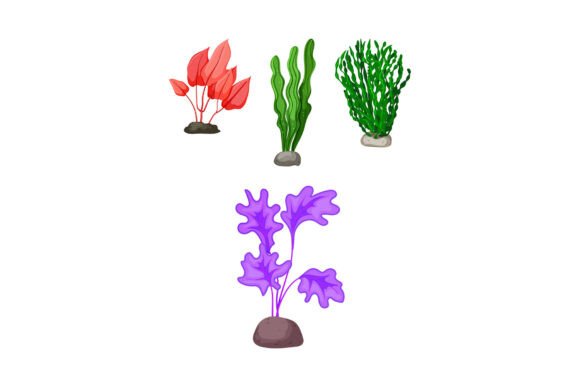
Transforming Tanks with Various Colorful Aquatic Plants Decorati
The evolution of the home aquarium has moved far beyond simple glass enclosures housing a few fish and a plastic castle. Today, the discipline of aquascaping demands a sophisticated approach to biology and aesthetics, where the living environment is as curated as the inhabitants themselves. At the heart of this transformation lies the strategic use of an assortment of vibrant underwater aquarium plants in green, red, and purple. These Various Colorful Aquatic Plants Decorati are not merely background props; they are the structural and biological foundation of a thriving ecosystem. By integrating these diverse hues, hobbyists and professionals alike can create a natural habitat that mimics the complexity of wild riverbeds and coral reefs, offering both visual splendor and functional benefits.
The Biology Behind the Hues: Why Red and Purple Thrive
While green foliage dominates most terrestrial landscapes, the underwater world offers a spectrum of color that often surprises new enthusiasts. The presence of red and purple tones in aquatic flora is not accidental but a result of specific biological adaptations. In many species, these colors are produced by anthocyanins and other pigments that protect the plant from intense light or help them absorb different wavelengths of the solar spectrum in deeper water. When curating a tank, understanding this biology is crucial for maintaining health and vibrancy.
A lush green plant like Amazon Sword or Hornwort provides the necessary oxygenation and biomass for a balanced system. However, introducing red varieties such as Rotala rotundifolia or Ludwigia palustris adds depth and contrast. These red plants often require higher light intensity and stable nutrient levels, particularly iron, to maintain their striking pigmentation. Without proper care, they may revert to a duller green, losing the aesthetic impact that makes Various Colorful Aquatic Plants Decorati so desirable. This dynamic creates a living canvas where the health of the plant directly reflects the quality of the maintenance regime.
Purple-hued plants, such as certain strains of Alternanthera reineckii, offer a bridge between the aggressive reds and calming greens. They often thrive in mid-light conditions and provide a softer transition in the aquascape. The interplay of these colors creates a sense of dimension that flat, monochromatic tanks cannot achieve. For researchers and educators, these variations serve as excellent case studies in photosynthesis and adaptation, demonstrating how aquatic life evolves to maximize energy capture in varying light environments.
Creating Depth Through Chromatic Layering
In the art of aquascaping, color is used to manipulate the viewer's perception of space. A common technique involves placing darker, reddish-purple plants in the foreground or mid-ground to draw the eye inward, while lighter greens are reserved for the background or upper canopy. This chromatic layering tricks the brain into perceiving a larger volume than physically exists. It is a principle borrowed from landscape architecture but applied within the constraints of a freshwater or saltwater tank.
When arranging an assortment of vibrant underwater aquarium plants, the goal is to avoid a "patchwork" look where colors clash chaotically. Instead, successful designs utilize gradients. A seamless transition from deep burgundy at the base to bright lime green at the tips creates a fluid, organic feel. This approach is essential for those looking to replicate natural habitats, as wild ecosystems rarely feature stark, isolated blocks of color. The blending of tones suggests a healthy, interconnected food web and a stable environment.
Functional Ecosystems: Beyond Aesthetics
While the visual appeal of colorful aquatic vegetation is undeniable, its primary role in a sustainable tank is functional. Every leaf contributes to the nitrogen cycle, absorbing nitrates and phosphates that would otherwise fuel harmful algae blooms. An ecosystem rich in Various Colorful Aquatic Plants Decorati acts as a bio-filter, competing with algae for nutrients and light. This biological filtration is often more effective and less intrusive than mechanical filtration alone.
For fish keepers, the diversity of plant life translates to improved water quality and reduced stress for inhabitants. Fish in tanks with dense, varied vegetation exhibit more natural behaviors, including schooling, hiding, and breeding. The complex root systems of these plants also provide a substrate for beneficial bacteria, further stabilizing the nitrogen cycle. In saltwater setups, macroalgae like Caulerpa or Gracilaria play similar roles, scrubbing the water of excess nutrients while adding texture and movement to the scene.
Moreover, the physical structure provided by these plants offers shelter for fry and smaller species. In a community tank, the ability to retreat into a thick cluster of red stems or a carpet of purple moss can mean the difference between survival and predation. This ecological function makes the selection of plants a critical decision for business owners stocking public displays or hobbyists managing delicate breeding pairs.
Nutrient Management and Plant Health
Maintaining the vividness of red and purple plants requires a nuanced approach to fertilization. Unlike hardy green stem plants, which can survive on moderate nutrients, colorful varieties are often heavy feeders. They require a steady supply of macro-nutrients (nitrogen, potassium, phosphorus) and micro-nutrients (iron, manganese). Iron deficiency is the most common culprit behind the loss of red pigmentation, causing leaves to turn pale or yellow before falling off.
Implementing a dosing schedule tailored to the specific needs of the planted tank is essential. Liquid fertilizers allow for precise control, ensuring that the assortment of vibrant underwater aquarium plants receives exactly what it needs without over-fertilizing the water column. CO2 injection is another key factor; increased carbon dioxide availability boosts photosynthesis rates, allowing plants to grow faster and maintain their intense colors. For those who prefer low-tech setups, selecting slower-growing, hardier red and purple species can mitigate the need for high-tech equipment while still achieving a colorful result.
Design Strategies for Freshwater and Saltwater Environments
The application of colorful plants differs significantly between freshwater and saltwater environments, yet the principles of design remain consistent. In freshwater tanks, the focus is often on stem plants, rosettes, and carpeting species. Creators can mix Rotala, Ludwigia, and Hygrophila to create sweeping waves of color. The flexibility of freshwater substrates allows for intricate planting patterns, enabling the designer to craft detailed landscapes that mimic riversides or forest floors.
In contrast, saltwater tanks present unique challenges and opportunities. While true flowering plants do not exist in marine environments, macroalgae and corals provide the necessary color palette. Species like Chaetomorpha offer a vibrant green backdrop, while various coralline algae introduce purples and pinks. Integrating these elements requires careful consideration of flow and lighting, as marine organisms have specific requirements for water movement. The concept of Various Colorful Aquatic Plants Decorati extends here to include the symbiotic relationships between corals and zooxanthellae, creating a living mosaic of bioluminescence and pigment.
For educational institutions and research facilities, these distinctions offer valuable teaching moments. Comparing the growth habits and nutrient uptake of freshwater versus marine flora highlights the adaptability of life across different salinities. It also underscores the importance of matching plant choices to the specific parameters of the tank, whether it be pH, hardness, or temperature.
Lighting Considerations for Color Retention
Light is the engine that drives the color production in aquatic plants. The spectrum of light emitted by aquarium fixtures plays a pivotal role in determining whether a plant appears green, red, or purple. Full-spectrum LED lights that emphasize the blue and red ends of the spectrum are generally preferred for bringing out the best in colorful plants. Blue light promotes compact growth and intense pigmentation, while red light stimulates photosynthesis and overall vigor.
However, too much light without adequate nutrients or CO2 can lead to algae outbreaks, obscuring the beauty of the plants. Finding the balance is an iterative process that involves monitoring the tank daily. Adjusting the photoperiod—the duration of light exposure—can also influence color. Shorter days might encourage denser growth and deeper colors in some species, while longer days promote rapid expansion. Understanding these variables allows creators to fine-tune their environments for maximum visual impact.
Practical Implementation for Diverse Audiences
Whether you are a professional aquarist designing a display for a corporate lobby, a hobbyist setting up a bedroom tank, or an educator building a classroom ecosystem, the integration of colorful plants follows a logical workflow. Begin by assessing the available light and the technical capabilities of your filtration system. Then, select a palette of plants that complements your fish species and the desired aesthetic theme.
Start with a strong foundation of green plants to establish the bulk of the biomass. Once the system is cycling and stable, introduce the more demanding red and purple varieties. This phased approach ensures that the tank remains stable during the initial colonization phase. Regular pruning and trimming are necessary to maintain shape and prevent overcrowding, which can block light from reaching lower leaves.
For business owners, the investment in high-quality, colorful aquatic plants can enhance brand image and customer engagement. A well-designed aquarium serves as a focal point that reduces stress and improves the atmosphere of any space. The dynamic nature of a living ecosystem means the display is never static, offering a constantly evolving visual experience that captivates viewers.
Sustainability and Long-Term Care
Sustainable aquascaping involves choosing native or widely adaptable species that do not threaten local ecosystems if released. It also means practicing responsible resource management, recycling water where possible, and minimizing chemical interventions. The use of Various Colorful Aquatic Plants Decorati aligns with these goals by promoting a self-regulating system that relies on natural processes rather than artificial inputs.
Long-term care involves patience and observation. Plants will change over time, growing taller, spreading wider, or shifting colors based on seasonal changes in the room's ambient light. Embracing these changes allows the aquascape to mature naturally, developing a character that feels authentic and lived-in. By prioritizing the health of the plants, the entire ecosystem flourishes, providing a sanctuary for fish and a source of inspiration for all who observe it.
Ultimately, the journey of cultivating a vibrant underwater garden is one of continuous learning. Each tank presents new challenges and opportunities to refine techniques and expand knowledge. Whether through the delicate balance of nutrients, the strategic placement of colors, or the meticulous attention to detail, the result is a masterpiece of nature and art combined. The assortment of vibrant underwater aquarium plants in green, red, and purple stands as a testament to the potential of human creativity working in harmony with the natural world.