The Art and Utility of the Dining Utensil Chopstick Rest Keeping Ta
In the world of fine dining and traditional culinary arts, every element on the table serves a purpose. From the shape of the bowl to the texture of the placemat, details matter. Yet, one small component often goes overlooked until it is missing: the chopstick rest. Known in Japanese as hashioki, this humble device plays a pivotal role in maintaining hygiene and respecting cultural etiquette. When we discuss the Dining Utensil Chopstick Rest Keeping Ta, we are not merely talking about a decorative object; we are discussing a functional necessity that bridges the gap between ancient tradition and modern cleanliness.
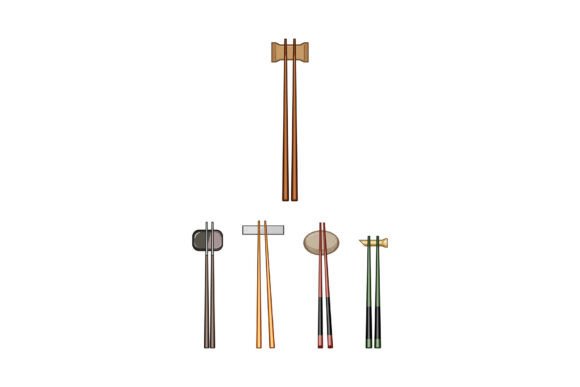
Imagine a scene where a collection of stylized illustrations comes to life: various sets of decorative chopsticks resting elegantly on different types of holders. Some are simple ceramic discs, others are intricate wooden carvings or hand-painted porcelain stands. These visuals do more than just add aesthetic appeal; they tell a story of care, precision, and respect for the food being served. Whether you are hosting a formal dinner party, managing a restaurant, or simply elevating your daily meals, understanding the nuances of the Dining Utensil Chopstick Rest Keeping Ta can transform the entire dining experience.
More Than Just Decoration: The Functional Core
At its heart, the primary function of a chopstick rest is to keep the eating ends of the utensils off the table surface. This might seem like a trivial detail in casual settings, but in the context of Asian dining culture, it is paramount. Placing chopsticks directly on a tablecloth, napkin, or bare table is considered unhygienic and disrespectful. The tip of the chopstick is the part that touches the mouth and the food; allowing it to drag across a surface introduces contaminants and ruins the presentation.
The Dining Utensil Chopstick Rest Keeping Ta solves this problem by providing a dedicated, clean platform. It ensures that the utensils remain pristine between bites. In professional kitchens and high-end restaurants, this distinction separates a good meal from a great one. It signals to the diner that the host values cleanliness and attention to detail. Furthermore, these rests prevent the tips from rolling away or getting knocked over, which can be a significant annoyance during long, multi-course meals.
Hygiene as a Cultural Imperative
Hygiene is the cornerstone of many culinary traditions, particularly in East Asia. The concept of keeping the eating end of the utensil separate from the environment is deeply ingrained. When you utilize a proper chopstick holder, you are adhering to a centuries-old protocol that prioritizes health and sanitation. This is especially relevant in the post-pandemic era, where diners are more conscious than ever about surface contact.
Consider the material composition of these rests. Ceramic, porcelain, glass, and wood are common choices, each offering different levels of ease in cleaning and maintenance. A glazed ceramic rest, for instance, is non-porous and easy to wipe down, making it ideal for preventing bacterial growth. Wood, while beautiful and warm, requires specific care to avoid warping or absorbing odors. Choosing the right material for your Dining Utensil Chopstick Rest Keeping Ta depends on your specific needs regarding durability and sanitation standards.
Aesthetic Harmony: Matching Style with Substance
Beyond functionality, the chopstick rest is a powerful design element. It acts as an anchor for the table setting, tying together the color palette and theme of the meal. A collection of stylized illustrations showing various sets of decorative chopsticks resting on different types of holders reveals the sheer diversity available today. You can find minimalist modern designs that complement contemporary interiors, as well as ornate, traditional pieces that honor heritage.
Selecting the Right Design
- Color Coordination: Choose a rest that complements the rim of your bowls or the pattern of your plates. A subtle contrast can make the setting pop without overwhelming the eye.
- Material Texture: Pair smooth porcelain chopsticks with a rough-hewn stone rest for textural interest, or match sleek metal utensils with a polished glass holder.
- Cultural Motifs: Many traditional rests feature motifs like cranes, waves, or cherry blossoms. These symbols carry deep meaning and can add a layer of storytelling to your table.
When integrating the Dining Utensil Chopstick Rest Keeping Ta into your home decor, think of it as jewelry for your table. It should enhance the overall look without distracting from the food. For example, if you are serving a vibrant sushi platter, a neutral-toned rest allows the colors of the fish and rice to take center stage. Conversely, for a simple noodle soup, a brightly colored or intricately patterned rest can add a festive touch to a humble dish.
Modern Workflows and Lifestyle Integration
In modern lifestyles, where convenience often clashes with tradition, the chopstick rest finds a unique place. It fits seamlessly into the workflow of the busy home cook who wants to maintain elegance without excessive effort. Unlike complex serving ware that requires special handling, a chopstick rest is durable and easy to store. They stack neatly in drawers or sit comfortably on open shelves as part of a curated display.
For those running catering businesses or boutique cafes, the adoption of high-quality chopstick rests can elevate brand perception. It shows a commitment to authenticity and quality service. Imagine a customer receiving their order with a beautifully designed rest included; it creates a memorable touchpoint that encourages repeat business. The Dining Utensil Chopstick Rest Keeping Ta becomes a subtle marketing tool, reinforcing the idea that your establishment cares about the finer points of the dining experience.
Furthermore, in the realm of sustainable living, many people are moving away from disposable plastic alternatives. Reusable chopstick rests made from natural materials offer an eco-friendly solution. They reduce waste and align with the growing consumer demand for environmentally responsible products. By investing in a set of durable rests, you contribute to a reduction in single-use plastics, making your dining habits more sustainable.
Practical Considerations for Selection
Before choosing a chopstick rest, several factors should be weighed to ensure it meets your specific requirements. Size is a critical consideration; the rest must be large enough to support the chopsticks securely but small enough not to clutter the table. Weight also matters—a heavy rest is less likely to slide around, while a lightweight one might be easier to pack for travel.
Shape is another variable. While traditional rests are often L-shaped or bridge-like, modern variations include flat discs, curved bowls, and even sculptural forms. Each shape offers different stability and aesthetic profiles. If you have children or serve in a bustling environment, a low-profile, stable design might be preferable to a tall, precarious sculpture. Ultimately, the goal is to find a balance between form and function that suits your daily routine.
Another practical aspect is versatility. Some rests are designed specifically for certain types of chopsticks, such as thick lacquered pairs or thin bamboo sticks. Others are universal, accommodating a wide range of lengths and thicknesses. If you own multiple sets of chopsticks, investing in a versatile Dining Utensil Chopstick Rest Keeping Ta can save space and money. Look for designs with adjustable grooves or broad, flat surfaces that can handle various utensil styles.
Educational Value and Cultural Appreciation
Using a chopstick rest is also an educational opportunity. It provides a tangible way to teach younger generations about cultural etiquette and respect. Explaining why we use these small devices helps foster an appreciation for the traditions behind the meal. It turns a simple act of eating into a lesson in mindfulness and courtesy.
In a globalized world, where fusion cuisine is popular, understanding the origins of dining tools enriches the experience. The Dining Utensil Chopstick Rest Keeping Ta serves as a conversation starter, inviting guests to learn about the history and significance of the items on their plate. It bridges cultural gaps and fosters a deeper connection to the food being shared.
Whether you are a seasoned connoisseur of Asian cuisine or a curious beginner, incorporating a chopstick rest into your routine is a small step with a big impact. It enhances hygiene, improves aesthetics, and honors tradition. As you explore the vast array of options available, remember that the best choice is one that resonates with your personal style and meets your practical needs. Let the next time you sit down to eat be an occasion to appreciate the beauty and utility of this essential dining accessory.