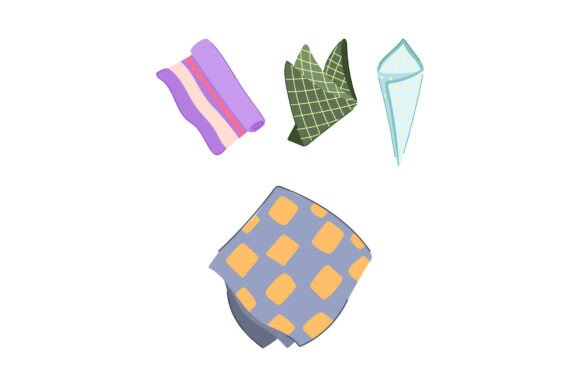
Different Folded and Rolled Cloth Napkin
In the world of tablescaping, the difference between a meal and an experience often comes down to the smallest details. Among these, the presentation of Different Folded and Rolled Cloth Napkin styles stands out as a transformative element. Whether you are setting a formal dinner for clients, hosting a family gathering, or styling a product shoot for your e-commerce brand, the way fabric is manipulated can dictate the mood, texture, and perceived value of the entire scene. These aren't just pieces of cloth; they are tools of communication that speak volumes about attention to detail.
The Art and Utility of Fabric Manipulation
At its core, a Different Folded and Rolled Cloth Napkin refers to the diverse array of techniques used to transform a flat piece of textile into a structured, decorative object. Unlike paper napkins, which offer a single-use convenience but lack tactile depth, cloth napkins provide a canvas for creativity. The "folded" aspect typically involves crisp creases, geometric shapes like fans, lotus flowers, or pockets, while the "rolled" style emphasizes fluidity, often secured with rings, ribbons, or twine to create cylindrical forms.
The utility of these variations extends far beyond mere aesthetics. In professional settings, such as restaurants or event planning firms, the choice of fold signals the level of service expected. A simple roll might suggest a relaxed bistro atmosphere, whereas an intricate bishop's fold implies high-end dining. For the home user, mastering these techniques allows for instant decor upgrades without purchasing new items. It is a cost-effective way to refresh a table setting seasonally, simply by changing how the existing linens are arranged.
Key Characteristics and Textural Qualities
When evaluating Different Folded and Rolled Cloth Napkin options, several characteristics define their success in a specific setting. First is the fabric weight. Heavier linen or cotton blends hold sharp folds better, making them ideal for structured designs like the classic pocket fold. Conversely, lighter fabrics like silk or soft rayon drape beautifully when rolled, creating softer, more organic silhouettes.
Texture plays a pivotal role in the visual impact. A white background, often used in photography or minimalist dining, serves as the perfect stage to highlight the distinct patterns and textures of these napkins. You might see a textured weave catching the light in a fan fold, or a smooth, satin-finish fabric gleaming within a tight roll. Color is another dynamic variable; vibrant hues can energize a space, while muted tones convey sophistication. The interplay between the fabric's natural grain and the precision of the fold creates a visual rhythm that engages the eye before the first course is even served.
Practical Applications Across Environments
The versatility of Different Folded and Rolled Cloth Napkin styles makes them applicable across a wide spectrum of environments, from the domestic sphere to commercial enterprises.
- Professional Dining and Hospitality: Chefs and sommeliers use specific folds to match menu themes. A rustic roll with a wooden ring complements farm-to-table concepts, while a precise square fold suits fine dining establishments. This consistency reinforces brand identity and enhances the guest's sensory experience.
- Event Planning and Weddings: Planners utilize varied napkin arrangements to differentiate tables or mark VIP sections. Using different colors or fold styles for each table adds a layer of organization and visual interest without cluttering the space.
- Photography and Content Creation: Bloggers, marketers, and photographers frequently use these napkins as props. On a white background, a colorful, patterned rolled napkin can serve as a focal point for lifestyle shots, food photography, or product displays, adding depth and context to the image.
- Home Entertaining: For adults aged 20–50 who balance busy careers with social lives, quick yet elegant napkin folds offer a practical solution. A simple "Cocktail Fan" or "Pocket Fold" can elevate a casual Tuesday night dinner into a special occasion with minimal effort.
Enhancing Branding and User Experience
For business owners and entrepreneurs, the details matter. In the competitive landscape of hospitality and retail, the user experience (UX) begins the moment a customer sits down. A well-executed Different Folded and Rolled Cloth Napkin arrangement contributes to a sense of care and professionalism. It suggests that the host has considered every aspect of the environment, fostering trust and engagement.
Furthermore, these elements can be integrated into branding strategies. Custom monograms embroidered on the corners of folded napkins or branded ribbon ties on rolled versions act as subtle marketing tools. They leave a lasting impression, encouraging customers to remember the establishment not just for the food, but for the overall atmosphere. In digital marketing, high-quality images of these styled napkins can drive engagement on social media platforms, inspiring followers to recreate the look at home.
Strategic Selection and Implementation
Selecting the right approach requires understanding the context. If you are aiming for efficiency in a high-turnover restaurant, complex folds may slow down service. In this case, a sturdy, easy-to-roll technique using durable cotton is preferable. However, for a low-volume, high-margin venue, investing time in intricate folding pays off in perceived value.
Considerations for implementation include:
- Fabric Durability: Ensure the material can withstand repeated washing and ironing without losing its shape or color vibrancy.
- Maintenance Time: Balance the desired aesthetic with the available labor. Some folds require steam pressing to maintain crisp lines, while others rely on the natural stiffness of the fabric.
- Color Coordination: When presenting on a white background or neutral tablecloth, ensure the napkin colors complement the dishware and centerpieces rather than clashing.
- Accessibility: Remember that while some rolls are purely decorative, functional napkins should remain accessible for guests to use during the meal.
Real-World Observations and Recommendations
From observing trends in interior design and culinary arts, one clear takeaway is that simplicity often yields the highest return on investment. A perfectly executed basic roll with a high-quality linen napkin often looks more sophisticated than a poorly made complex fold. Consistency is key; mixing too many different styles on a single table can appear chaotic rather than curated.
For those looking to incorporate Different Folded and Rolled Cloth Napkin styles into their repertoire, start with three master techniques: the classic roll, the simple pocket, and the fan fold. Practice these until they become muscle memory. Then, experiment with accessories like rings, clips, or fresh herbs to add personality. Whether you are a freelancer shooting a catalog, a teacher organizing a classroom party, or a homeowner preparing for guests, the ability to manipulate fabric effectively is a skill that adds immediate polish and professionalism to any setting.
Ultimately, the choice of napkin style is a reflection of intention. It transforms a mundane necessity into a deliberate design choice, enhancing the narrative of the table and the experience of those seated around it. By embracing the variety found in Different Folded and Rolled Cloth Napkin presentations, you unlock endless possibilities for creativity, functionality, and elegance.